Bidzina Ivanishvili's Georgian regime has become so saturated with its own propaganda about a foreign "deep state" that it has begun to see threats emanating even from within its inner circle. Salomé Zourabichvili, who served as the fifth president of Georgia from 2018 to 2024, said that the current government in Tbilisi is incapable of accurately assessing the scale of real public discontent, let alone of coping with it.
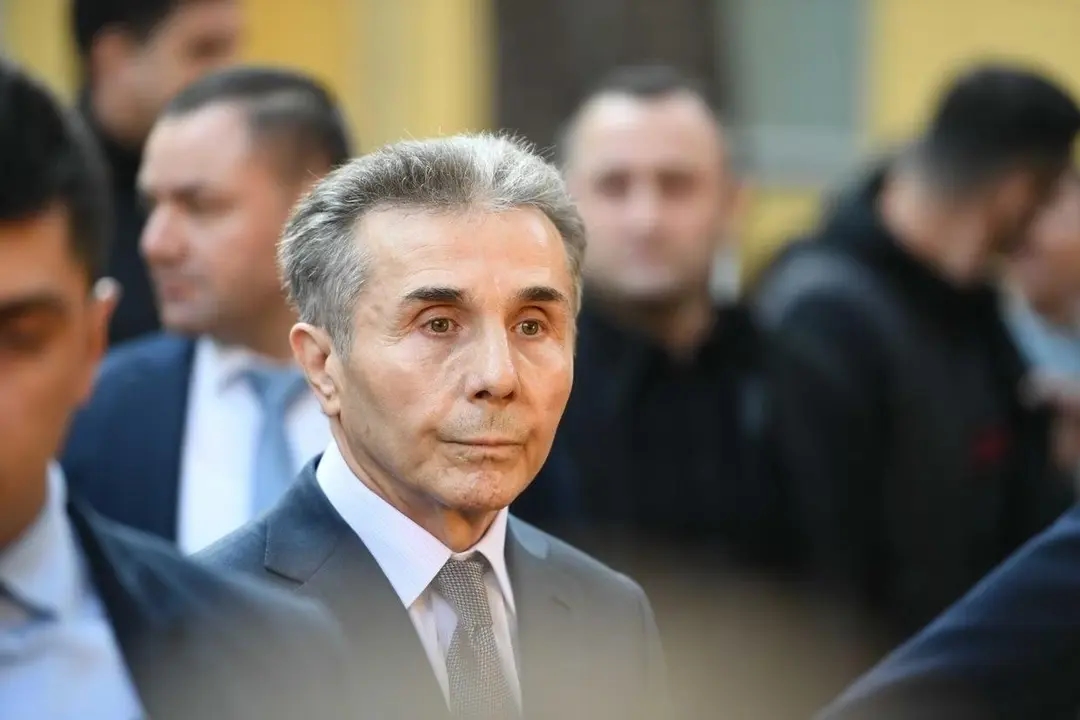
“The vulnerabilities are within the elite of the regime, which is the traditional way in which such regimes weaken, because there is no trust between the different people that are at the top of the regime,” Zourabichvili told The Insider. “The leader, Mr. Ivanishvili, does not trust anyone around him and is thinking that everybody is plotting against him. They have taken this propaganda of a ‘deep state’ too seriously, and now they think that they are threatened. So there is this inbuilt vulnerability of the regime.”
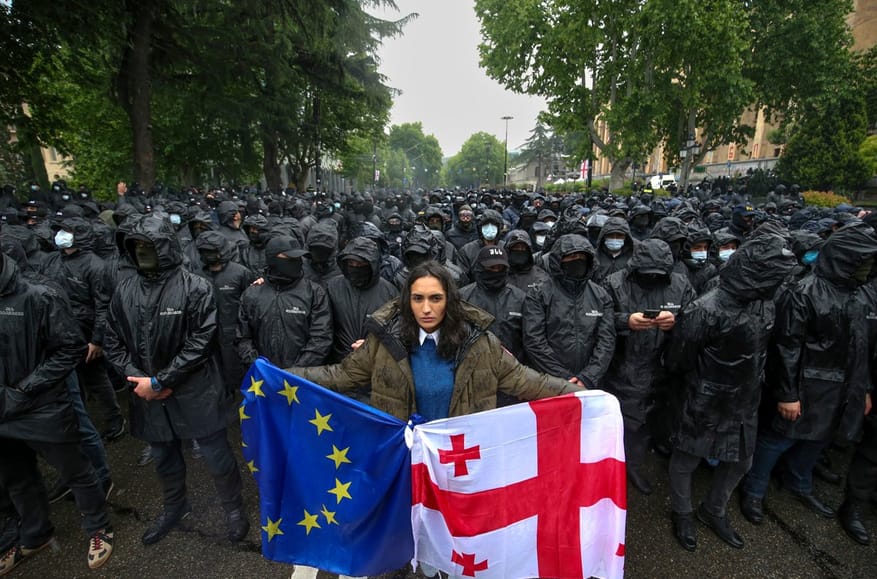
That fear has led the regime to introduce new repressive measures. Still, when speaking about the prospects for a change of power, Zourabichvili allowed for several scenarios — from a consolidation of the opposition to the regime itself miscalculating by calling for early elections that it could ultimately lose. She emphasized that the Georgian Dream government is weaker than it appears, while society is stronger.
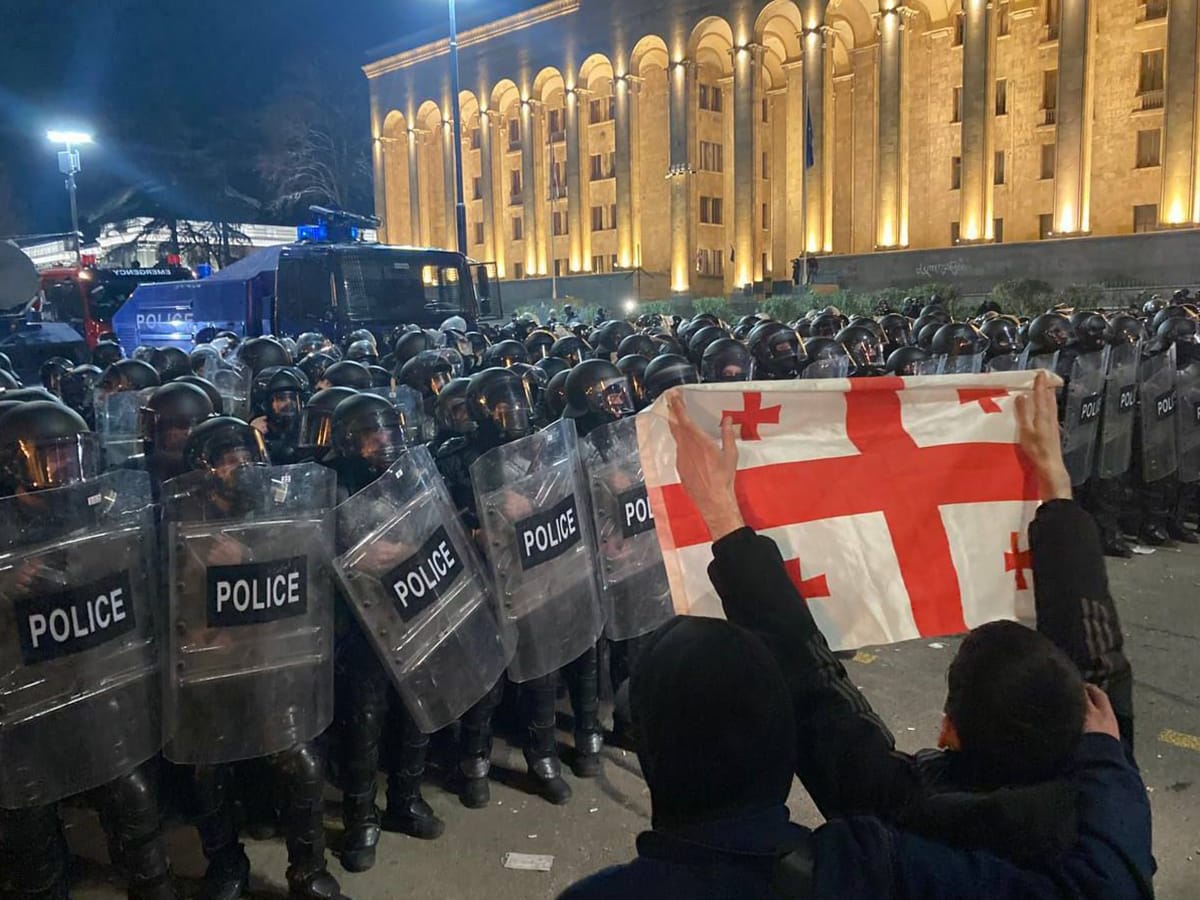
“I think they are worried,” she explained. “They're essentially worried because they cannot do anything about the protests in the population and the discontent. They are the only ones who are able to fully measure how much of the discontent exists, and they cannot do anything about it. They have been adding repressive measures one to the other, and it doesn't change anything. So that's what they are concerned about.”
Under the circumstances, Zourabichvili says, “everything is possible — the fall of this government, a consolidation of the opposition and of civil society. There is the possibility of elections, because the regime may think that they are stronger today than they will be tomorrow, and that it's better for them to try it now. And they might make the wrong assessment. The only thing one can say is that the current situation is one of a regime that is weaker than it looks, and a society that is stronger than it feels.”
Zourabichvili also addressed the issue of Russian oil transit through Georgia. She said that a recent report containing specific data on ships transiting Georgian ports was the first tangible confirmation of her long-held suspicions that the regime is acting as a conduit for the trade in sanctioned Russian goods.
“There was a tripartite mission of the European Union, the UK and the United States in Georgia two or three years ago. It came and said that they didn't find any smoking gun at that time, but since then, things have changed a lot. We know that there have been luxury cars that were transiting supposedly towards Central Asia, but in fact they were going to Russia. So once that's one thing that we know is happening. The second one is this oil and tankers. We don't have the means to assess it, and so if our outside partners do not do their job, it's difficult,” Zourabichvili explained. “We always had the idea that there was some work of circumvention of sanctions, but a few weeks ago was the first time that it came out with actual facts and the names of the vessels that were transiting through the port in Georgia, along with the possibility that the port of Kulevi might be on the list of sanctions. I think it's very interesting, but the means to assess that really are in the hands of others of the European Union and our partners, and they should be probably more interested in what is happening than they have been until now.”
Zourabichvili also criticized her European partners for their insufficient response to the situation and called on them to openly describe what is happening in Georgia as a retreat from democracy.
“I always recommend that they express their policy towards Georgia more firmly. I think that the expression of the policy is as important as any decision that they can take to limit this or that, and what has been happening is that this is really a case of Georgia moving from a democracy to an autocracy. This is unacceptable for the European Union, but it has never been expressed in such terms. They're just saying they have a non-engagement policy, but it’s not made clearly,” she cautioned.
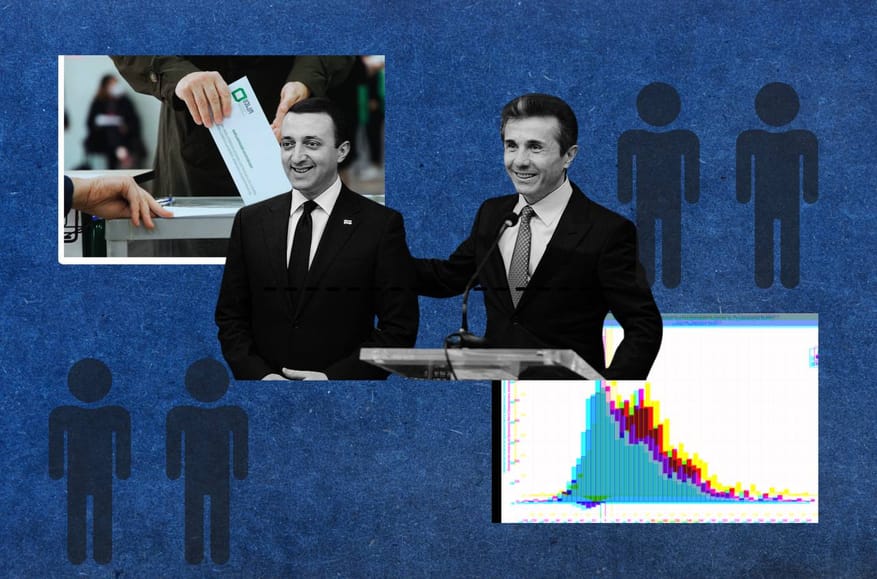
Zourabichvili characterized the 2024 elections as a "special operation" employing a full arsenal of fraud — from ballot stuffing to call centers and "troll farms" repurposed for the election campaign. She stated that no real investigation into the events has been conducted.
“These elections were completely controlled, and there was an extensive influence operation using Russian technology. They used all the old methods of rigging the elections that exist — traditional ballot stuffing, things that everybody knows — added to new ones like the use of call centers and the use of social networks and troll farms in a way that, for a small country, made it what I called immediately a ‘special operation.’ What has been missing since then is a real investigation supported by our partners in Europe as to what happened. I, even as president, did not have any executive means, and the opposition had no means to really investigate. It should be done, because that should be a concern for all democratic countries — to see how they can preventively protect their elections, be it in Armenia, in Romania, in Moldova or in any other country,” Zourabichvili concluded.
Zourabichvili has repeatedly said she does not recognize the legitimacy of Georgia’s most recent parliamentary elections. She left the presidential palace on Dec. 29, 2024, saying she was “taking legitimacy” with her. Georgian Dream won a coalition majority and introduced a new presidential election format through an electoral college, in which most votes belong to members of the party.