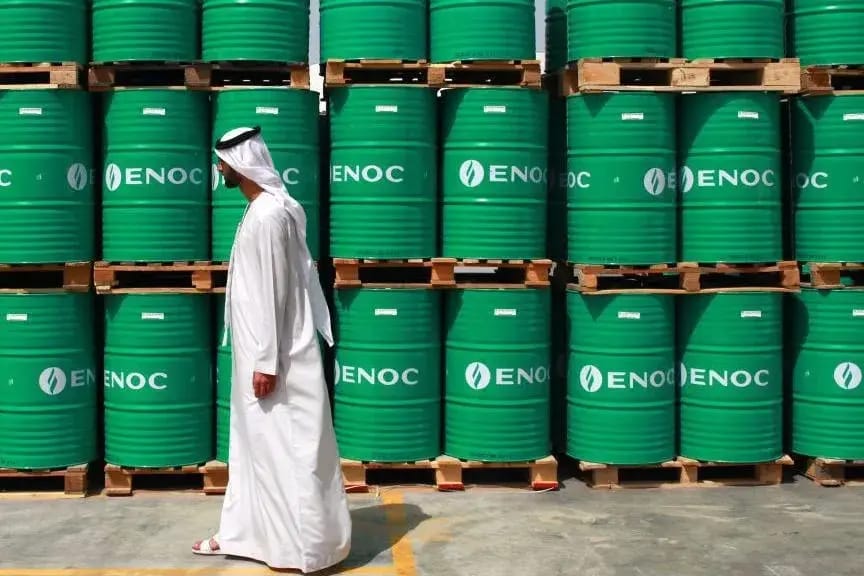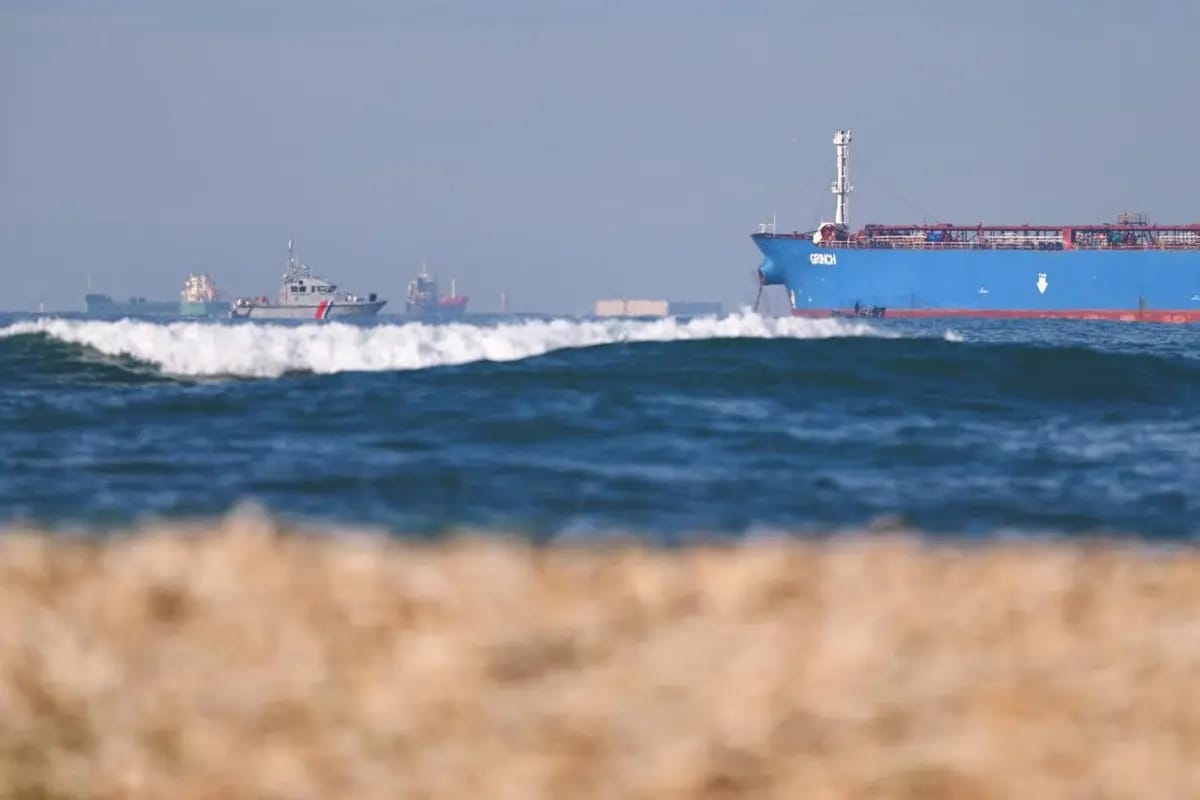
Oil prices continued to fall on June 23, extending the previous day’s decline of more than 3%. The development comes amid the resumption of shipments through the Strait of Hormuz and news that the United States has granted a 60-day sanctions exemption on Iranian oil.
As Bloomberg reports, at least seven tankers broadcasting open tracking signals passed through the Strait of Hormuz on the morning of June 23. Among them were two fully loaded supertankers leaving the Persian Gulf, three product tankers, and two Iranian Suezmax-class tankers. The increase in vessels using open navigation systems may indicate that market participants have grown more confident in the safety of the route amid easing tensions surrounding Iran, the outlet notes.
Last week, Washington and Tehran signed a memorandum of understanding and began negotiations toward a permanent peace agreement. Following the latest round of talks in Switzerland, the U.S. Treasury issued a temporary license permitting the extraction, supply, and sale of Iranian oil and petroleum products through August 21.
During its military campaign against Iran, the Trump administration came under political pressure due to rising gasoline prices at home. The increases became a liability for Republicans ahead of the midterm congressional elections scheduled for November.
However, in a conversation with The Insider, Isabelle Gilks, principal retail fuel analyst at Wood Mackenzie, warned that the decline in oil prices will not translate into a quick reduction in fuel costs for consumers:
“While recent developments around the reopening of the strait offer some optimism, consumers should not expect an immediate or sharp drop in gasoline prices. Although crude and gasoline prices have fallen over recent weeks, the crude oil flowing through refineries today was purchased weeks ago, meaning any price relief at the pump will take time to materialise.”
According to her, even if shipping through the Strait of Hormuz is fully restored, fuel prices will remain above pre-war levels at least through the end of summer, as challenges connected with logistics, oil refining, and the need to replenish stocks will take time to resolve.
Gilks also noted that in the event of further disruptions to shipping through the strait or a resumption of the conflict, prices could spike again.