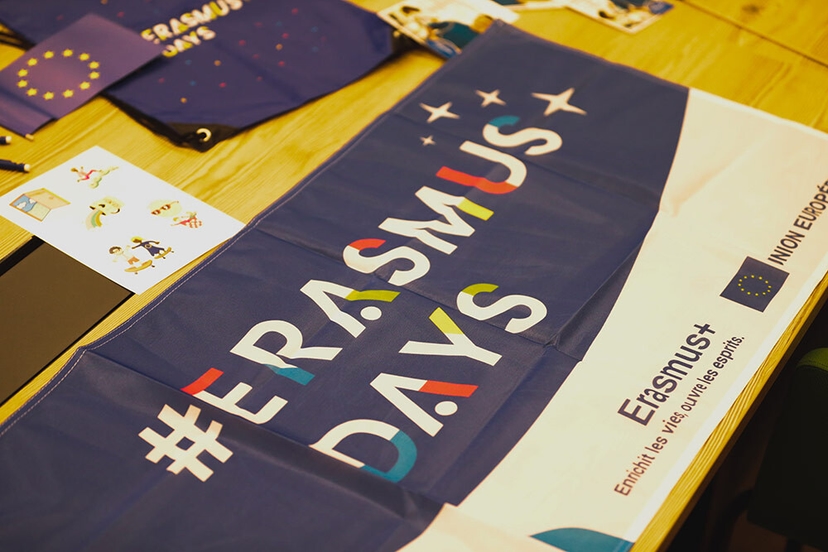
People living in Russia, as well as Russian organizations, have been barred from participating in the European Union’s Erasmus+ program, according to the official guide for next year published by the European Commission.
The ban applies to all permanent residents of Russia, regardless of citizenship — they will be prohibited from participating in the program in any capacity.
Residents of Russia will also be ineligible for Erasmus Mundus Joint Masters (EMJM) scholarships, which are offered to graduate students pursuing master’s degrees.
It is unclear whether the new rules will affect scholarships and projects that have already been approved and awarded funding. The document does not specify how such cases will be handled.
Erasmus+, which allows students to study abroad through exchange programs, has existed for around three decades. More than 13,000 students and academic researchers from Russia took part in the program between 2014 and 2021, according to a report by Deutsche Welle.
In May 2022, Russia’s Education and Science Ministry recommended that universities under its jurisdiction refrain from cooperating under Erasmus+ programs. Russian authorities also began putting pressure on organizations that helped students prepare applications and documents. In 2024, for example, Moscow-based UniPage, which helped applicants enroll at universities abroad, was charged for its alleged cooperation with an “undesirable organization” — a Russian legal designation that can expose individuals and organizations to administrative or criminal penalties for involvement with blacklisted foreign groups.
Until now, the Erasmus program’s rules had not explicitly barred participation by people living in Russia.